Views: 457 Author: Site Editor Publish Time: 2025-03-22 Origin: Site


In recent years, the culinary world has witnessed a surge in innovative cooking appliances designed to make our lives easier and our meals healthier. Among these, air fryers have gained significant popularity, often hailed as a revolutionary way to enjoy fried foods without the guilt. However, this rise has led to an ongoing debate: are air fryers just miniature versions of convection ovens? Understanding the nuances between these two appliances is essential for anyone looking to make an informed purchase or to optimize their cooking techniques. This article delves deep into the functionalities, similarities, and differences of air fryers and convection ovens, providing a comprehensive analysis to settle the debate once and for all.
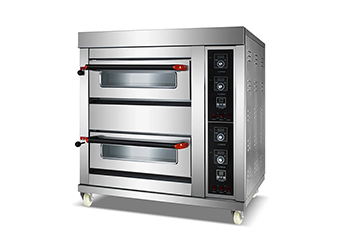
Convection ovens have been a staple in both commercial kitchens and home cooking setups for decades. At their core, convection ovens are equipped with fans that circulate hot air throughout the oven cavity, ensuring even heat distribution. This mechanism significantly reduces cooking times and provides consistent results, making it a preferred choice for baking, roasting, and even dehydrating foods.
The primary feature that sets convection ovens apart from traditional ovens is the fan-assisted heating system. When the oven is turned on, heating elements warm the air inside, and the fan circulates this hot air around the food. This process eliminates hot spots and allows for uniform cooking. The continual movement of air not only speeds up the cooking process but also promotes better browning and crisping of the outer layers of the food.
Convection ovens are versatile appliances suitable for a wide range of cooking tasks. They excel in baking pastries, bread, and cookies due to their ability to maintain consistent temperatures. Roasting meats and vegetables is also enhanced, as the circulating air renders fat more efficiently and produces a crispy exterior. Additionally, convection ovens are ideal for dehydrating fruits and herbs, given their capacity to maintain low, even temperatures over extended periods.
Air fryers have captured the hearts of health-conscious consumers looking to reduce oil intake without sacrificing the texture and flavor of fried foods. These compact appliances promise the indulgence of crispy fries, chicken wings, and more, all achieved with minimal to no oil. But how do they accomplish this, and is the technology truly unique?
At a fundamental level, air fryers operate using a mechanism similar to convection ovens. They feature a heating element and a powerful fan that circulates hot air at high speeds around the food placed in a perforated basket. The rapid air circulation, often referred to as Rapid Air Technology, creates a convection effect that cooks the food quickly while producing a crispy exterior akin to traditional frying.
Air fryers are celebrated for their ability to produce healthier versions of traditionally fried foods. French fries, chicken nuggets, and mozzarella sticks are common favorites. Beyond fried foods, air fryers are also adept at roasting vegetables, baking small pastries, and even reheating leftovers to restore their original crispiness.
The crux of the debate centers on the technological overlap between air fryers and convection ovens. Both appliances utilize the principle of hot air circulation to cook food more evenly and quickly than traditional methods. This shared technology begs the question: does the air fryer bring anything new to the table, or is it merely a rebranded convection oven?
Convection cooking relies on the movement of hot air to transfer heat to food. This method is efficient because it alleviates the boundary layer of cooler air that naturally forms around food as it cooks, allowing for more direct heat transfer. Both air fryers and convection ovens capitalize on this principle, but they differ in execution and scale.
While both appliances use fans for air circulation, air fryers typically employ a more compact design with a smaller cooking chamber. This design results in faster air circulation and, consequently, quicker cooking times for small batches of food. Convection ovens, on the other hand, offer larger capacities, making them suitable for cooking multiple dishes or larger quantities simultaneously.
Despite their similarities, noteworthy differences distinguish air fryers from convection ovens. These differences can significantly impact cooking results, user experience, and the types of food that can be prepared effectively.
Air fryers are generally compact, making them ideal for small kitchens or for users with limited countertop space. Their smaller size means they heat up quickly and are energy-efficient for cooking small portions. In contrast, convection ovens are larger, catering to families or those who enjoy batch cooking. The spacious interior of a convection oven can accommodate multiple racks, allowing for several dishes to be cooked at once.
The cooking performance of air fryers is optimized for achieving crispy textures on foods that would traditionally be deep-fried. The intense, focused heat and rapid air circulation excel at browning and crisping. Convection ovens, while capable of similar results, may require more time and may not produce the same level of crispiness without additional adjustments, such as higher temperatures or longer cooking durations.
Convection ovens offer greater versatility, suitable for baking, broiling, roasting, and even dehydrating. They often come with various settings and rack positions to accommodate different cooking methods. Air fryers, while versatile in their own right, are somewhat limited by their size and are primarily used for air frying, roasting, and baking smaller items.
Choosing between an air fryer and a convection oven requires weighing their respective pros and cons based on individual cooking habits, dietary preferences, and kitchen space.
Advantages: Air fryers are compact, making them suitable for small kitchens or for individuals with limited space. They are energy-efficient for small cooking tasks and excel at producing crispy textures with minimal oil, promoting healthier eating habits.
Disadvantages: The small capacity can be a drawback for families or when cooking for multiple people. Additionally, their specialized design means they are less versatile than convection ovens, limiting the range of recipes that can be effectively prepared.
Advantages: Convection ovens offer larger capacities and greater versatility, accommodating various cooking methods and larger quantities of food. They are ideal for baking enthusiasts and for preparing multiple dishes simultaneously.
Disadvantages: Their larger size requires more kitchen space and may lead to higher energy consumption, especially for smaller cooking tasks. Achieving the same level of crispiness as an air fryer may require additional adjustments or cooking techniques.
Deciding between an air fryer and a convection oven hinges on several factors, including cooking preferences, kitchen space, and budget. For individuals or small households focused on quick cooking and healthier versions of fried foods, an air fryer may be the ideal choice. Those who require more versatility and capacity may find a convection oven better suited to their needs.
Consider what you cook most frequently. If your meals often include baked goods, roasts, or multiple dishes at once, a convection oven's versatility is advantageous. If you primarily prepare quick snacks or small meals and value the health benefits of reduced oil consumption, an air fryer may suffice.
For those with limited kitchen space, the compact footprint of an air fryer is appealing. Budget is also a consideration; while both appliances vary in price range, convection ovens generally represent a larger investment, especially high-end models with advanced features.
In essence, while air fryers and convection ovens share underlying technology, they are not identical appliances. The air fryer's design and functionality focus on delivering quick, crispy results for smaller portions with minimal oil, distinguishing it from the broader capabilities of a convection oven. Understanding these differences enables consumers to make informed decisions based on their specific cooking needs and preferences. By evaluating the pros and cons outlined in this analysis, you can select the appliance that best complements your culinary lifestyle.